
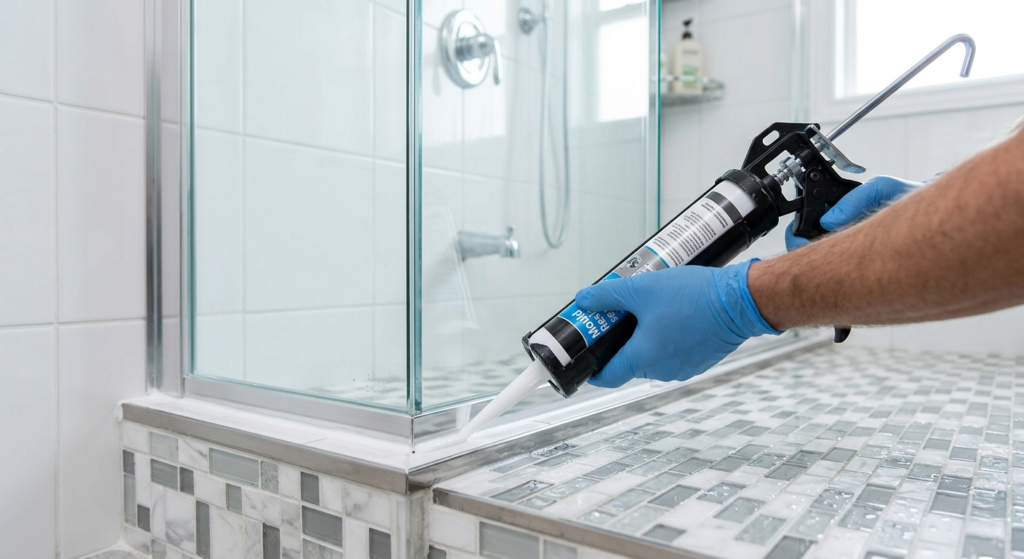
Mould growth is one of the most common problems caused by leaking showers and excess moisture in bathrooms. If left untreated, mould can spread quickly, damage surfaces, create unpleasant odors, and even affect indoor air quality. The good news is that with proper maintenance and early leak repairs, mould growth can often be prevented before it becomes a major issue.
Understanding the causes of mould and taking proactive steps can help keep your bathroom clean, safe, and waterproof.
Why Shower Leaks Cause Mould Growth
Bathrooms naturally contain high levels of moisture, making them the perfect environment for mould to develop. When a shower leak occurs, water can seep behind tiles, under flooring, and into walls where moisture becomes trapped. Combined with poor ventilation, this creates ideal conditions for mould growth.
Common causes of mould related to shower leaks include:
- Cracked or missing grout
- Damaged silicone sealant
- Poor waterproofing
- Hidden water leaks behind walls
- Loose or broken tiles
- Excess humidity and poor airflow
Even small leaks can eventually lead to significant mould problems if they are ignored.
Signs of Mould Caused by Shower Leaks
Early detection is important to prevent extensive damage. You may notice:
- Black or green spots around tiles or ceilings
- Musty or damp odors
- Peeling paint or bubbling walls
- Discolored grout lines
- Persistent moisture around the shower area
- Damp flooring or skirting boards
If these signs appear, it is important to inspect your shower for possible leaks and moisture buildup.
Tips to Prevent Mould Growth From Shower Leaks
1. Repair Shower Leaks Immediately
One of the most effective ways to prevent mould is to repair leaking showers as soon as problems appear. Delaying repairs allows water to penetrate deeper into surfaces and hidden areas.
Professional leaking shower repairs can help identify the source of moisture and restore proper waterproof protection.
2. Replace Damaged Silicone Sealant
Old or cracked silicone sealant allows water to escape into surrounding areas. Replacing deteriorated silicone around showers, bathtubs, sinks, and tiles helps maintain a waterproof barrier and reduces moisture exposure.
Using high-quality mould-resistant silicone also improves long-term protection.
3. Maintain Grout and Tiles
Cracked grout and loose tiles can allow water to seep behind walls and floors. Regular regrouting and tile maintenance help prevent water penetration and reduce the risk of hidden mould growth.
Inspect grout lines frequently for cracks, gaps, or discoloration.
4. Improve Bathroom Ventilation
Poor ventilation traps humidity inside the bathroom, creating the perfect environment for mould.
To improve airflow:
- Use exhaust fans during and after showers
- Open windows when possible
- Keep bathroom doors open after use
- Reduce steam buildup with proper ventilation systems
Good airflow helps surfaces dry faster and limits moisture accumulation.
5. Keep Bathroom Surfaces Dry
Excess standing water encourages mould growth. After showering:
- Wipe down shower screens and tiles
- Dry wet surfaces regularly
- Avoid leaving damp towels or mats in enclosed spaces
- Clean water buildup around corners and edges
Keeping surfaces dry significantly reduces moisture-related problems.
6. Schedule Regular Bathroom Inspections
Routine inspections help identify leaks and waterproofing issues before they become severe. Professional inspections can detect hidden water damage, deteriorated sealants, and early signs of mould that may not be immediately visible.
Preventive maintenance is often far more affordable than major repairs caused by long-term moisture damage.
Why Professional Repairs Matter
DIY solutions may temporarily hide mould, but they often fail to address the root cause of moisture problems. Professional leaking shower repair and waterproofing services provide long-lasting solutions by fixing leaks, replacing damaged materials, and restoring proper sealing.
Experienced specialists use high-quality waterproof products designed to resist moisture, mould, and deterioration over time.
Protect Your Bathroom From Moisture Damage
Preventing mould growth starts with maintaining a waterproof and properly sealed bathroom. Addressing leaks early, improving ventilation, and maintaining tiles, grout, and silicone can protect your property from expensive water damage and unhealthy mould buildup.
A clean, dry, and professionally sealed bathroom not only looks better but also lasts longer and provides a healthier environment for your home or business.